
Visit our twitter

Visit our spin-off company

Visit our spin-off company
ABOUT THE GROUP
Our research group is located at the Karlsruhe Institute of Technology and affiliated with the University of Heidelberg. Our research is focused on the synthesis and application of biofunctional materials, surfaces and nanoparticles.
- Details
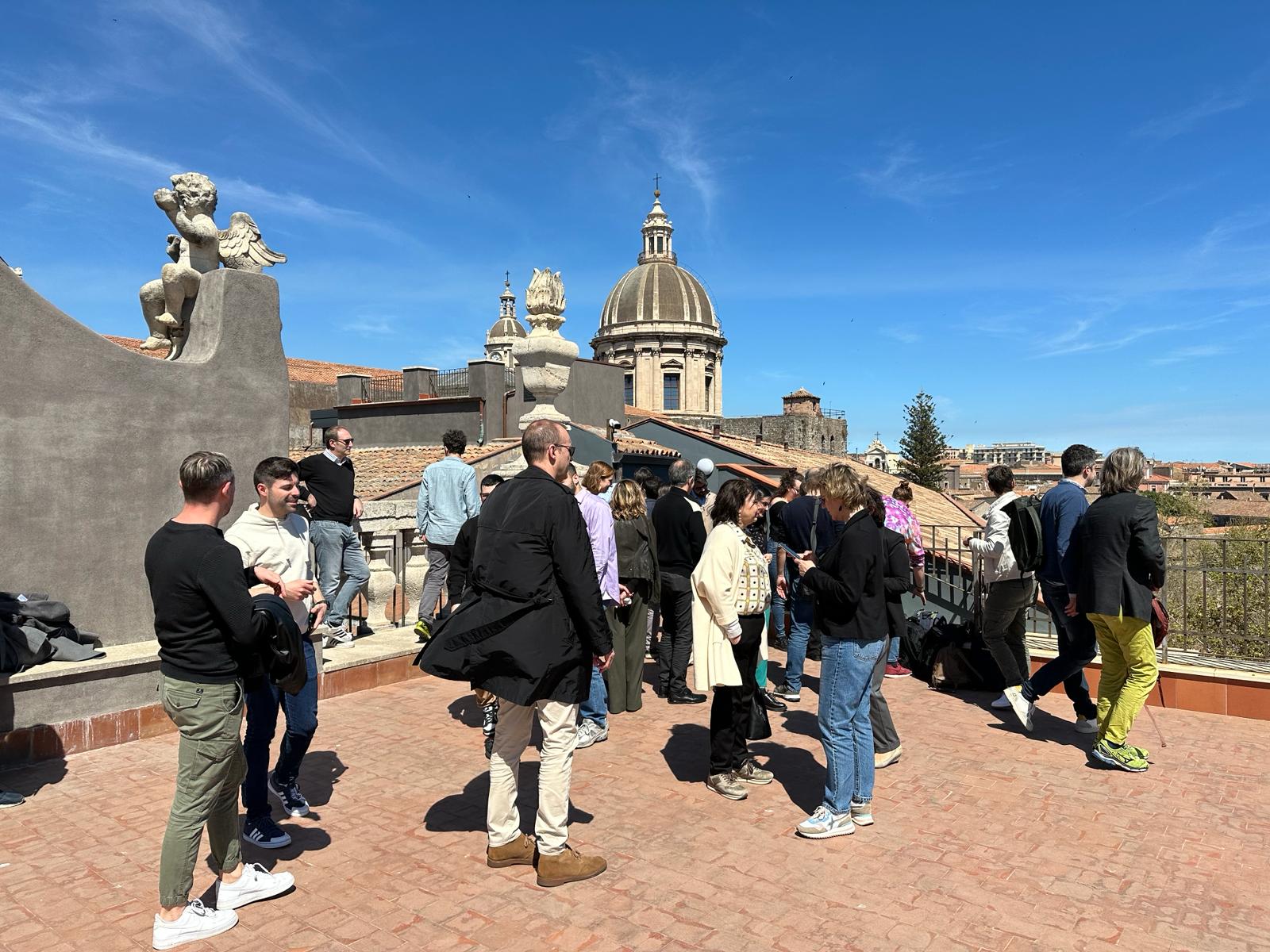
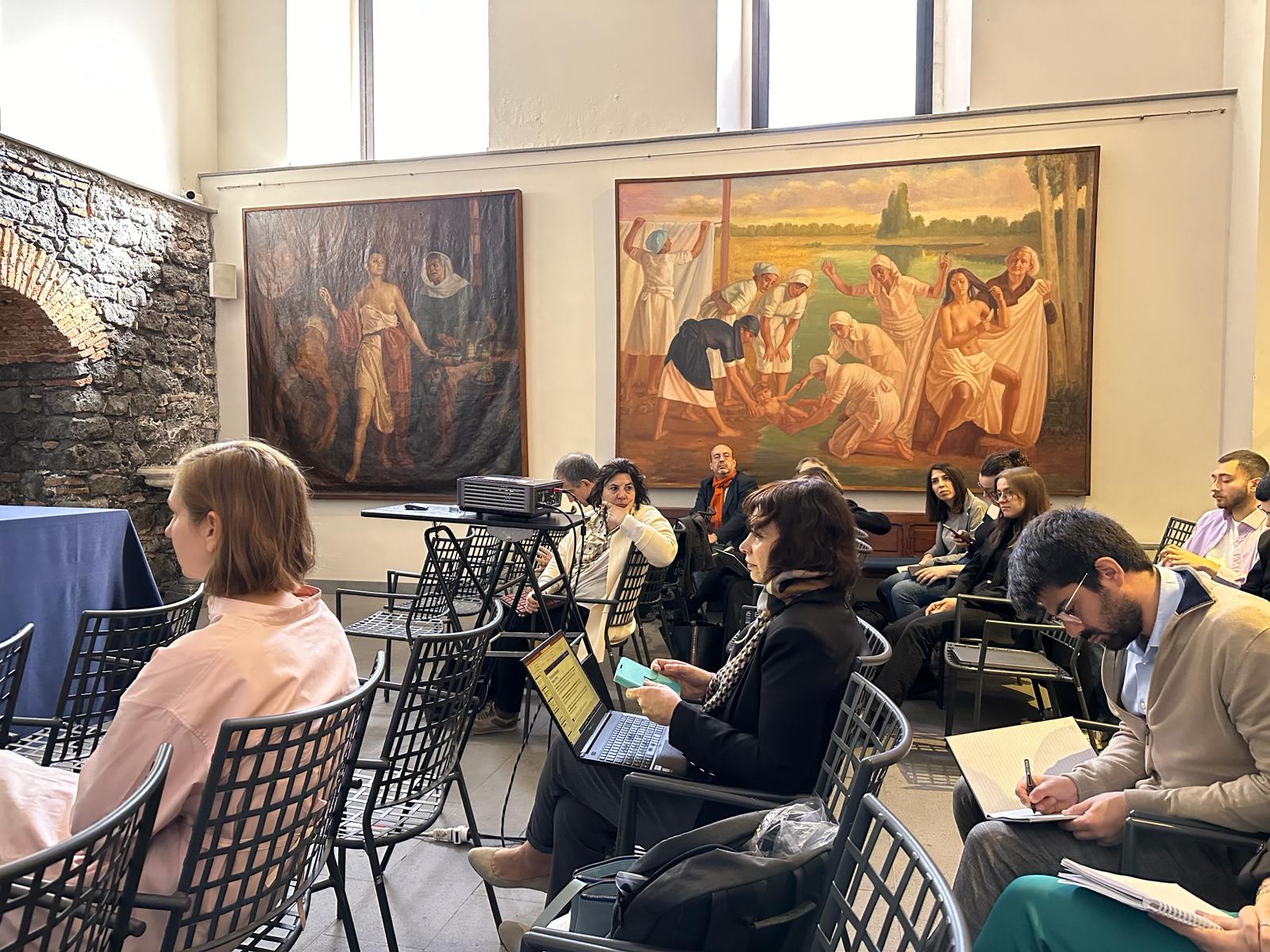
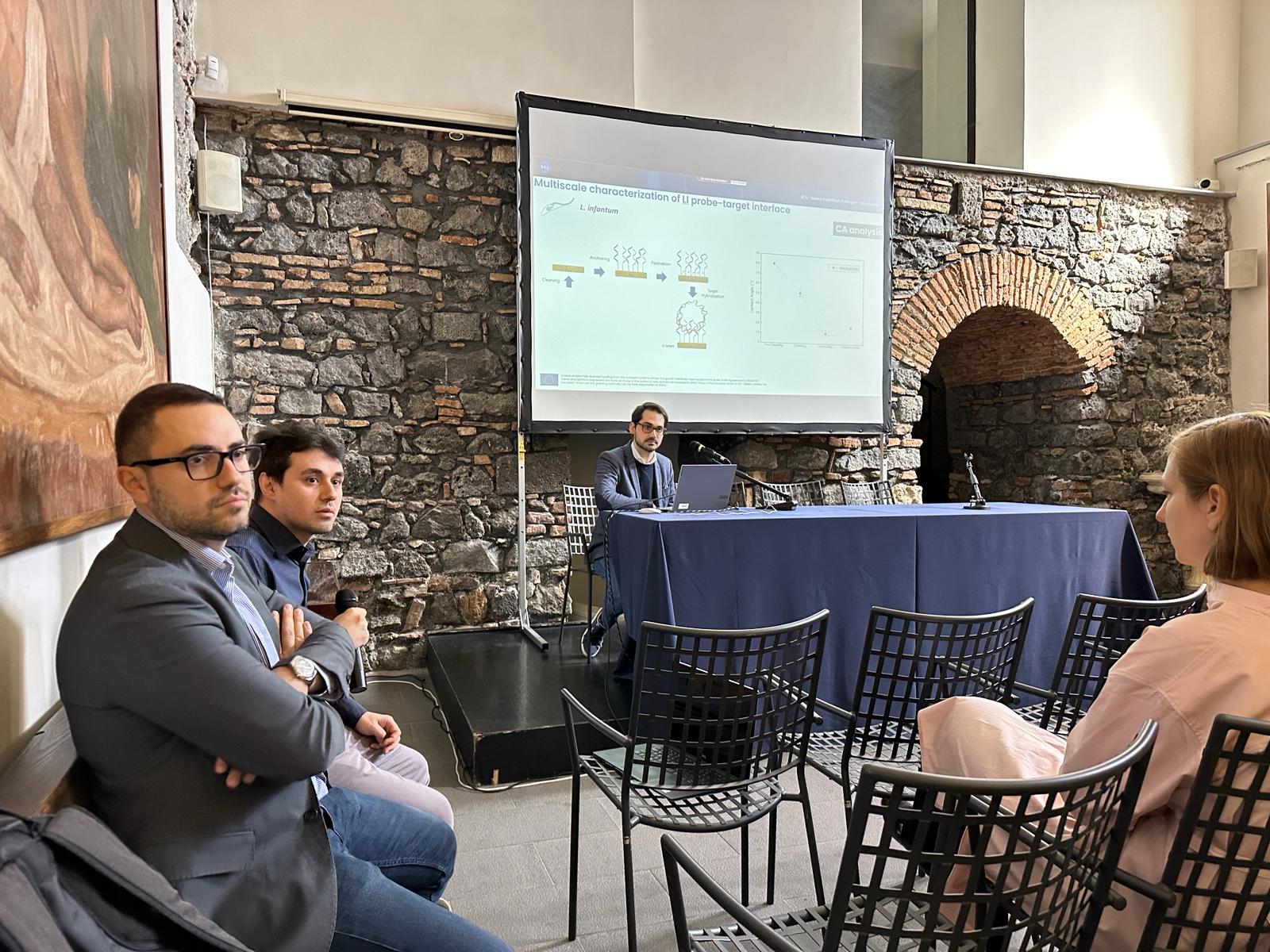
Annual ECLIPSE meeting in beutiful Sicily - EIC Pathfinder EU Project: https://eclipse-project.eu/

- Details
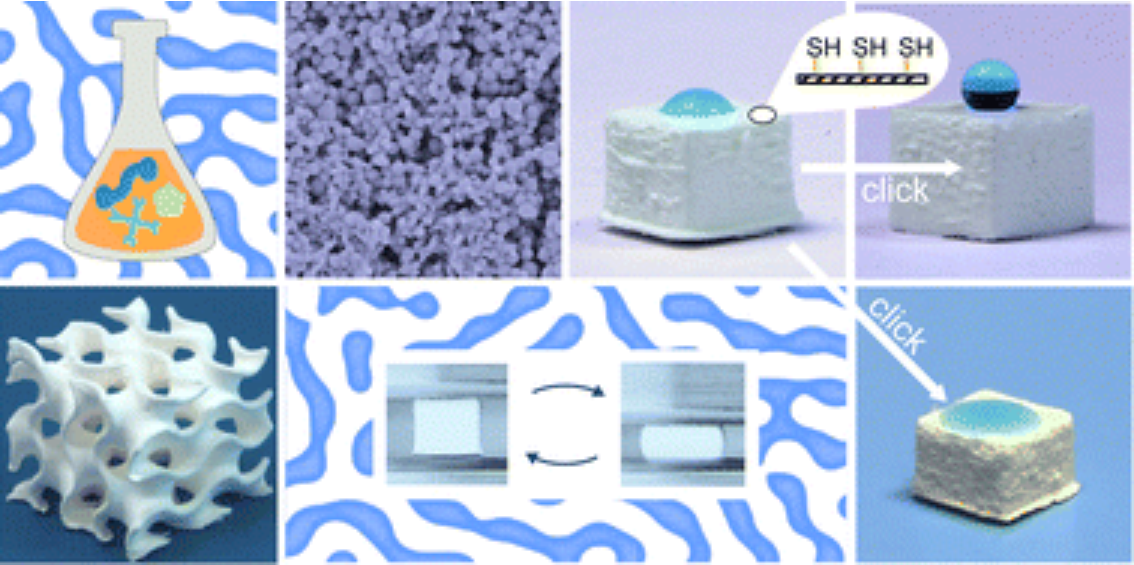
In this work, we continued to develop the method for fabricating functional porous 3D structures. In this ChemComm paper, we extended our approach to the thiol-ene chemistry, which surprisingly enhanced the mechanical properties of the macroporous 3D structures, compared to their polymethacrylate counterparts. More details in the publication: „3D printing of reactive macroporous polymers via thiol-ene chemistry and polymerization-induced phase separation“. Congratulations to Nikolaj K Mandsberg and Fatma Aslan! 👏🏼👏🏼 Read the full article here.
- Details
Two more patents from the Levkin Group have been granted. Congratulations to all the inventors!
A: „Patterned substrate having hydrophilic and hydrophobic areas and method for producing the same“. – method for making hydrophilic and omniphobic patterns for confining organic solvents.
European Patent Nr. 3 205 394
Inventors: Pavel Levkin, Wenqian Feng, Linxian Li
B: “Patterned substate having hydrophilic and hydrophobic areas” – method for making SH-SL patterns for aqueous solutions
European Patent Nr. 3 733 277
Inventors: Pavel Levkin, Michael Grunze, Zheqin Dong, Konstantin Demir, Simon Widmaier, Marius Brehm, Anna Popova
- Details
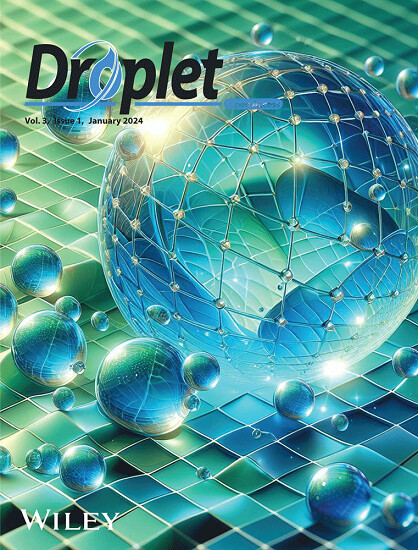
Check out Joaquin, Pavel, and Anna´s paper in Droplet on a Digital Twin of a Droplet Microarray where we study different aspects of the behavior of arrays of nanoliter droplets. Fantastic collaboration with the Britta Nestler´s group. Read the full article here.
- Details
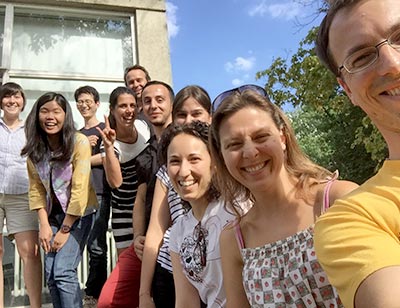
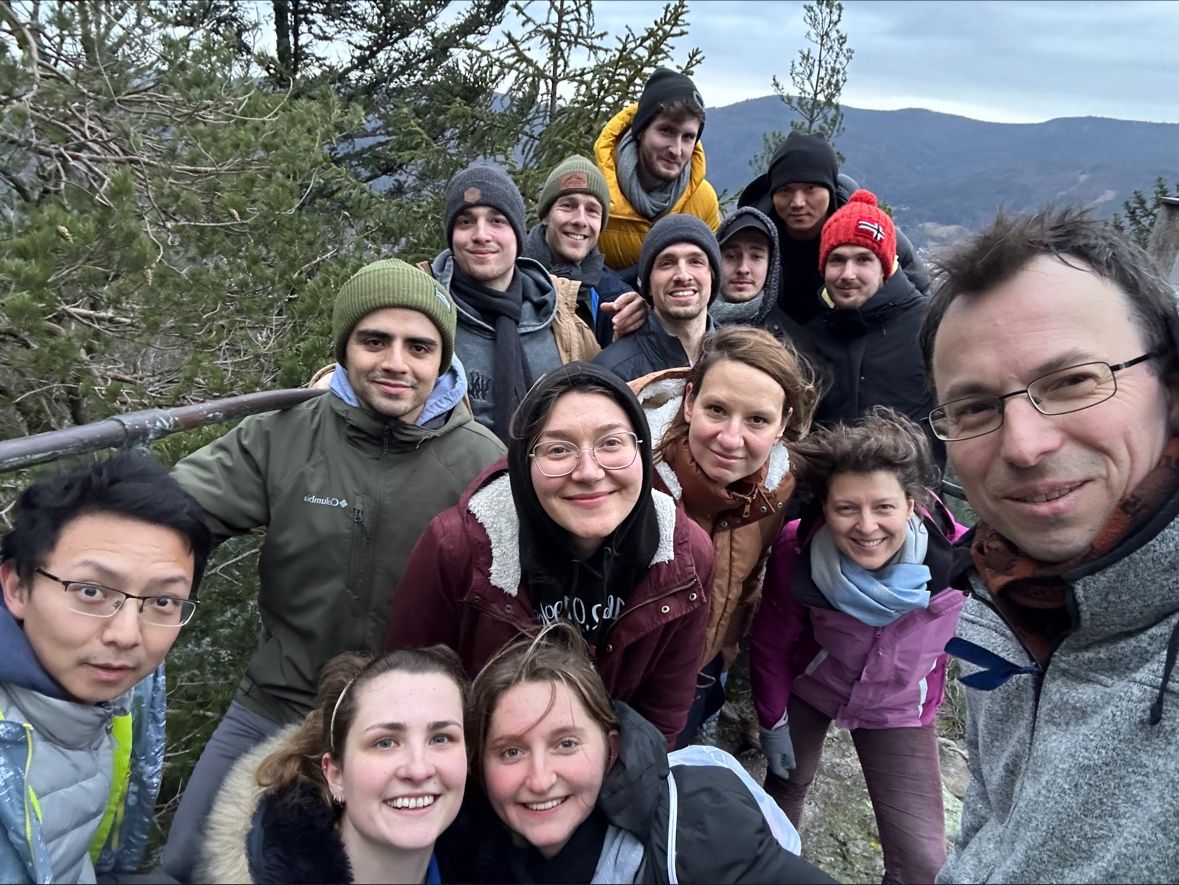
Our traditional annual winter group retreat in the Black Forest. It was fantastic — talks, scientific discussions, brainstorming, hikes, games, cooking, and time spent together with the group <3
- Details
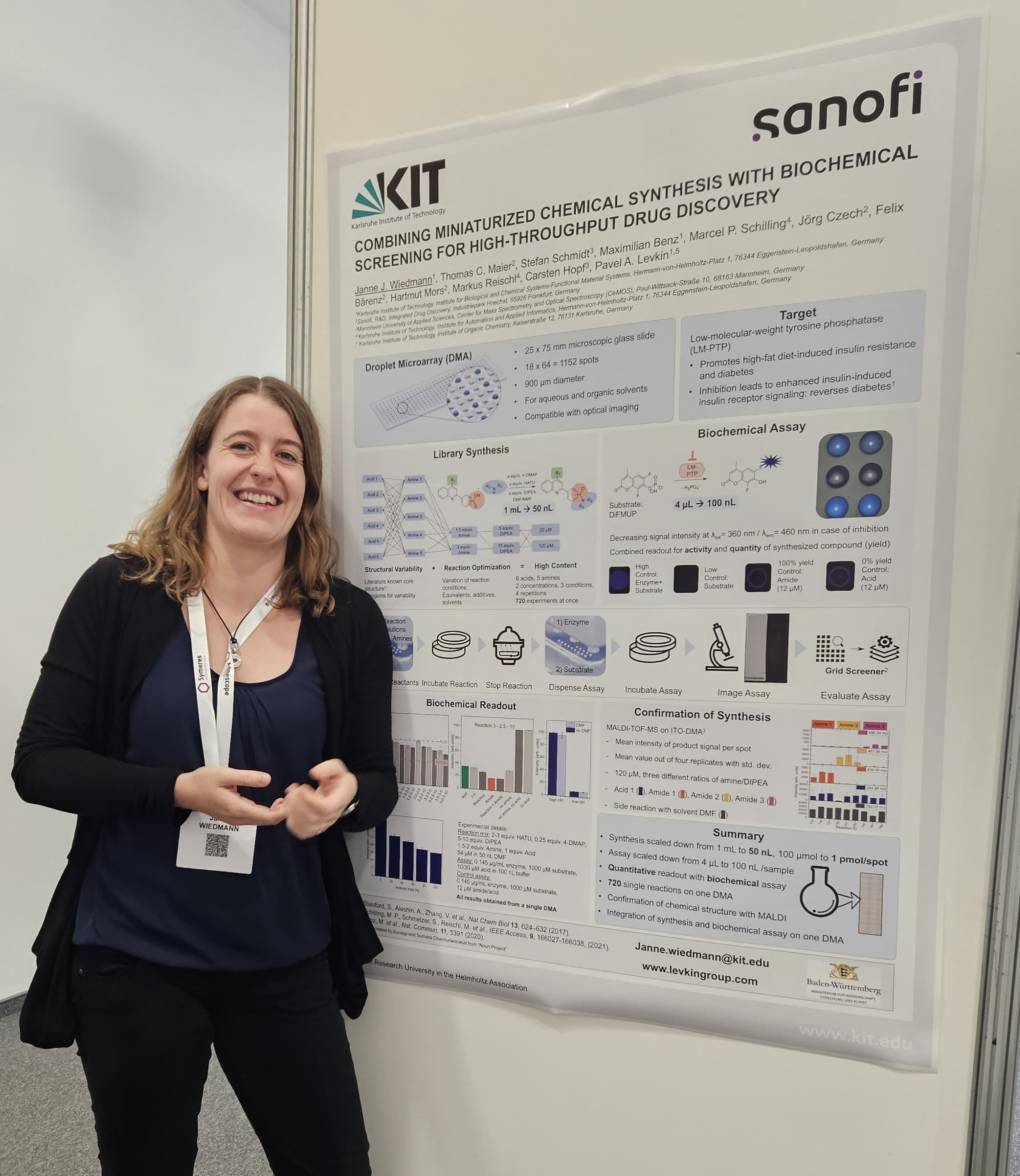
Our very own Dr. Janne Wiedmann recently won the prize for the best poster at the EFMC-ASMC International Symposium on Advances and Synthetic and Medicinal Chemistry (September 2023, Zagreb) 😃 We are super proud of you - well done! :)
https://www.efmc-asmc.org/
- Details
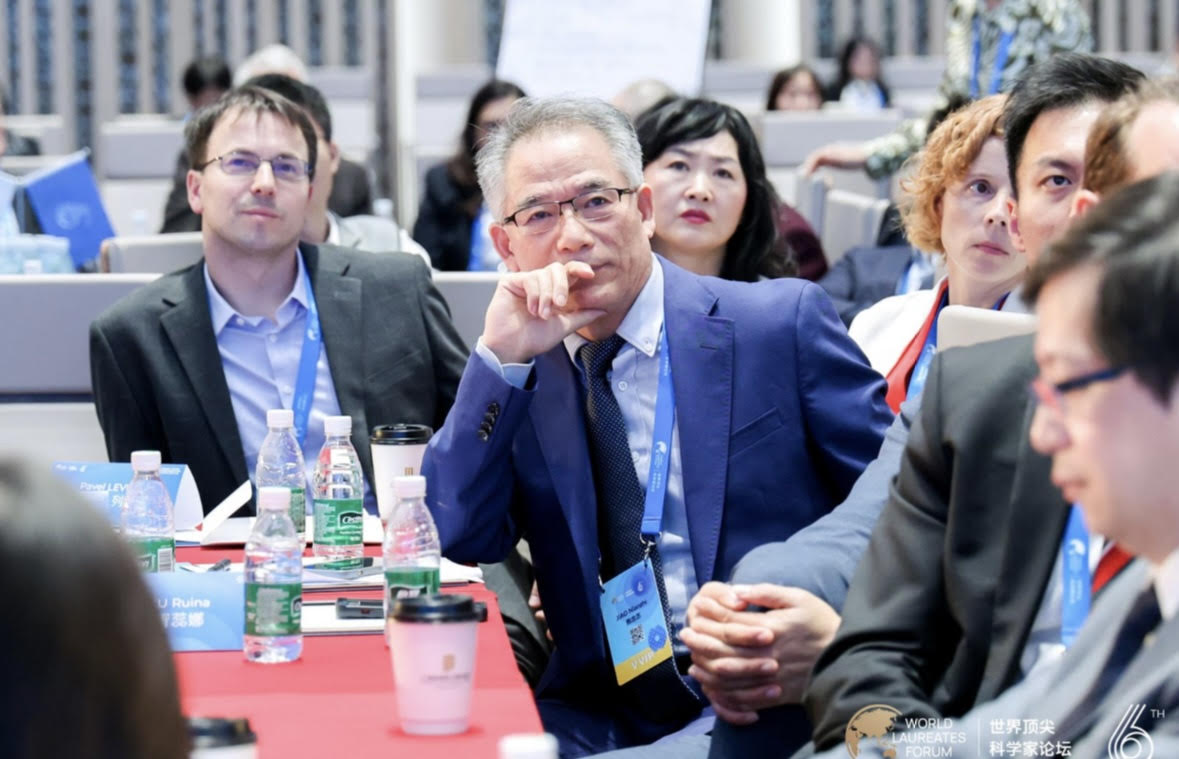
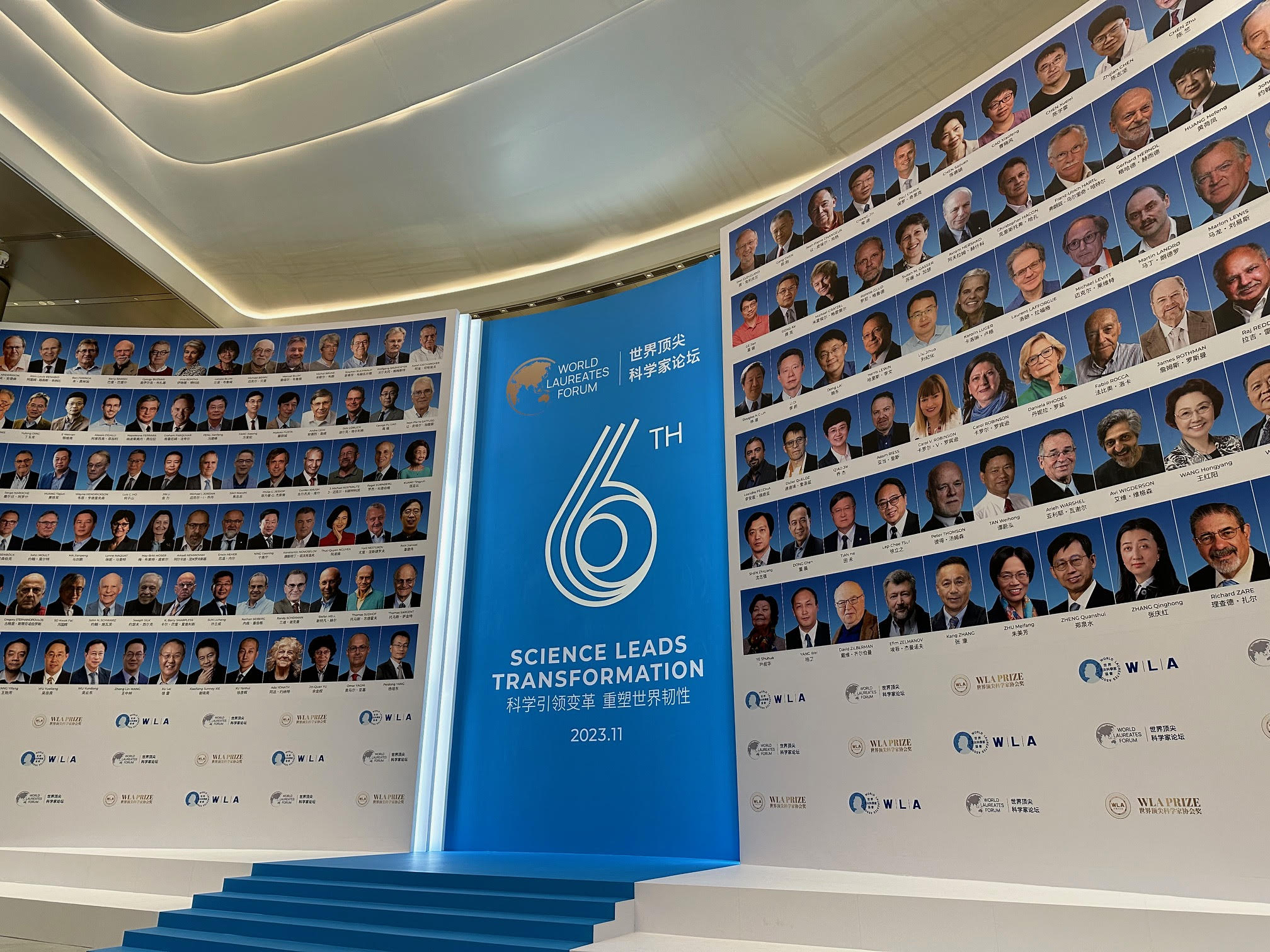
Prof. Levkin participates in the World Laureate Forum (WLF) in Shanghai (https://2023.wlaforum.com/en), which brings together about 200 scientists from all over the world including many recipients of prestigious awards, such as the Nobel Prize, the Turing Award, the Wolf Prize, the Breakthrough Prize, the Fields Medal, etc. The WLF is committed to "promote basic science, advocate for international cooperation, and support the development of youth".
- Details
Prof. Levkin discusses about our recent development of UV-based method for the degradation and recycling of diapers (superabsorbers) on Programm BR24: Click for audio file
News articles (click to read articles):
- Scientists improve diaper recycling
- Diapers reloaded: 200 times faster recycling with light - Recycled plastic molecules can be used in many way
- Windeln reloaded: 200-mal schneller recyceln mit Licht – Recycelte Kunststoffmoleküle vielseitig einsetzbar
- Diapers transformed into raw materials by light
- Windeln 200-mal schneller recyceln mit Licht
- KIT: Windeln reloaded: 200-mal schneller recyceln mit Licht
- Windeln durch Licht in Rohstoffe verwandelt
- Vielseitig anwendbar: Recycelte Polymere aus Windeleinlagen
- So kann man Superabsorber aus vollen Windeln recyceln
- Wie man Windeln zu Verdickungsmitteln und Haftklebstoffen recyclen kann
Read the full article here.
- Details
A very warm welcome to the newest member of our family, Tatiana Starikova! We are very excited to work with you and look forward to being a part of your wonderful scientific journey. Welcome! :D

- Details
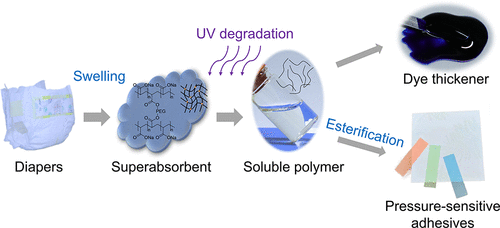
2 million tons (yearly) of non-recyclable superabsorbers (diapers) may no longer end up in landfills or incinerators. We report a rapid UV-based recycling method for sodium polyacrylate hydrogels, accelerating the degradation time by 200x. No chemicals, just water and UV! The product of pampers degradation is soluble sodium polyacrylate with numerous applications - from eco-friendly dyes to pressure-sensitive adhesives. This simple new approach is fast, scalable, and green, promising a sustainable future for these polymers. Read the full article here.
- Details
Congratulations to Zhenwu, whose paper on “High-Performance Pressure Sensors based on Shaped Gel Droplet Arrays” has been accepted in Small! Great job! We wish you all the best in your new Postdoc position at Harvard.
- Details
Congratulations to Julius Höpfner! His paper "On-chip palladium-catalyzed synthesis of biphenyls in nanoscale" has been just accepted for publication in Small. Well done, Julius!